#materials

Articles tagged with materials

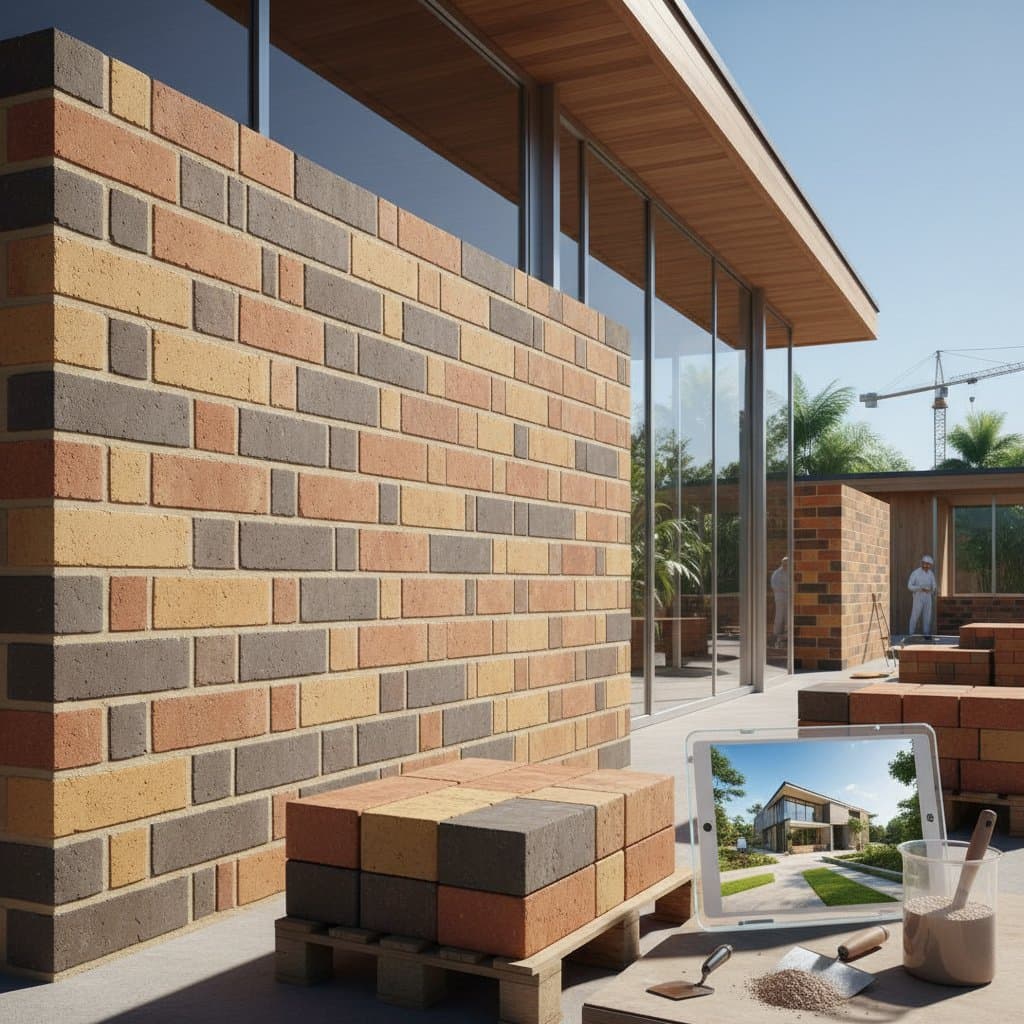
Featured image for Cement-Free Bricks That Outlast Traditional Masonry

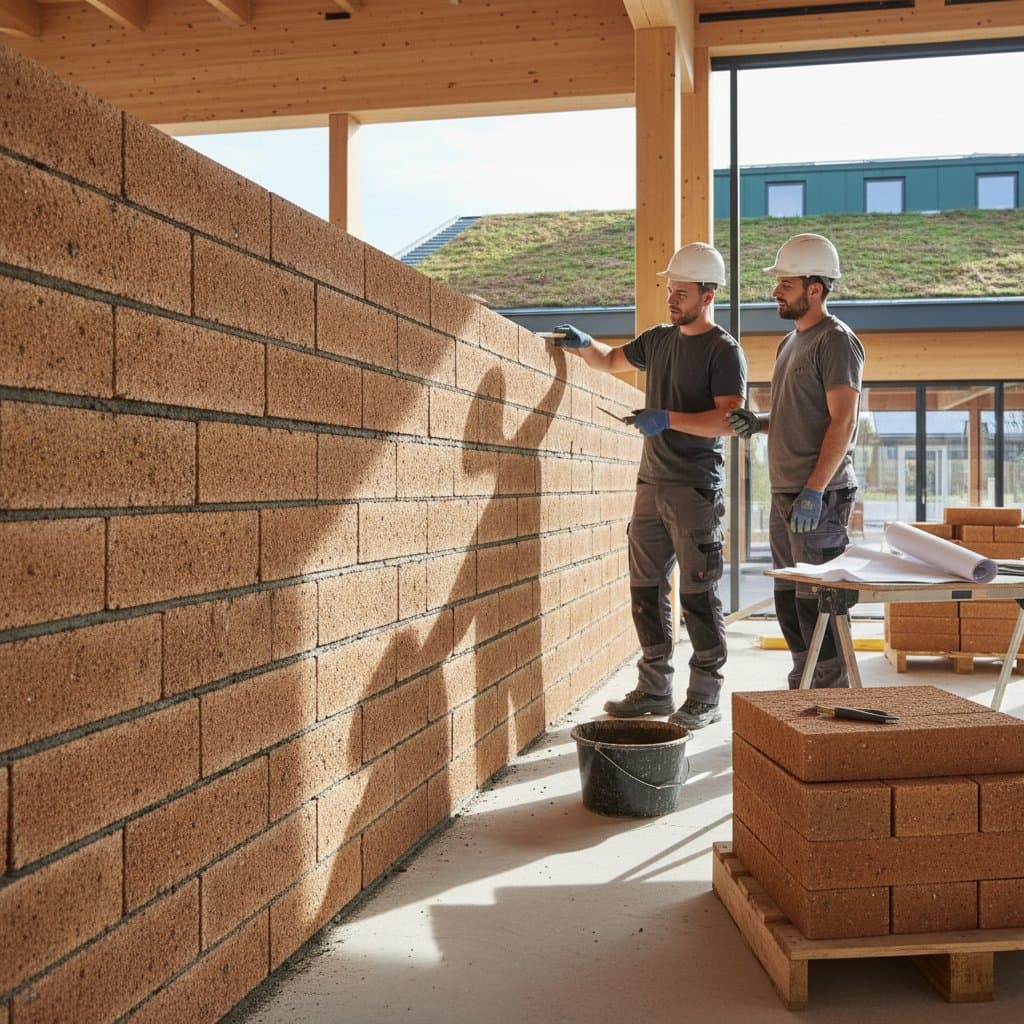
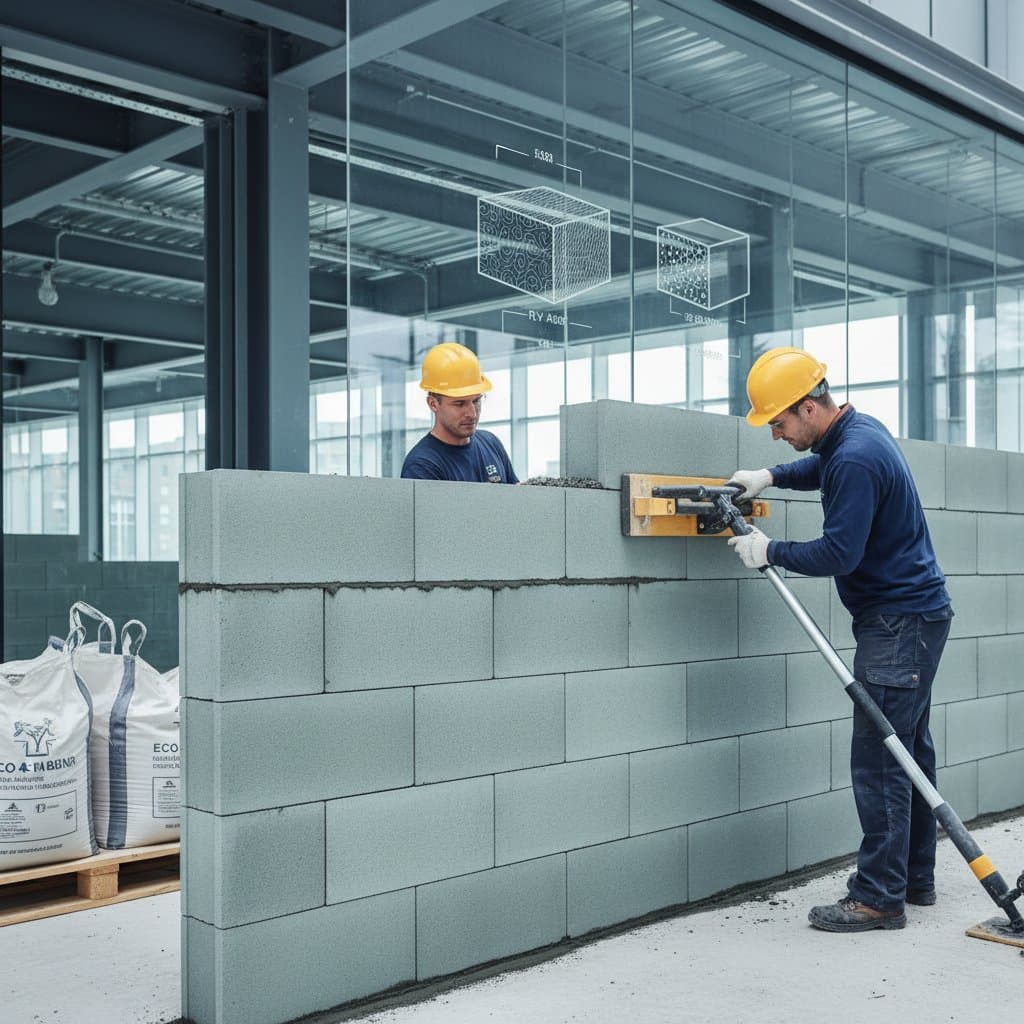
Cement-Free Bricks That Outlast Traditional Masonry

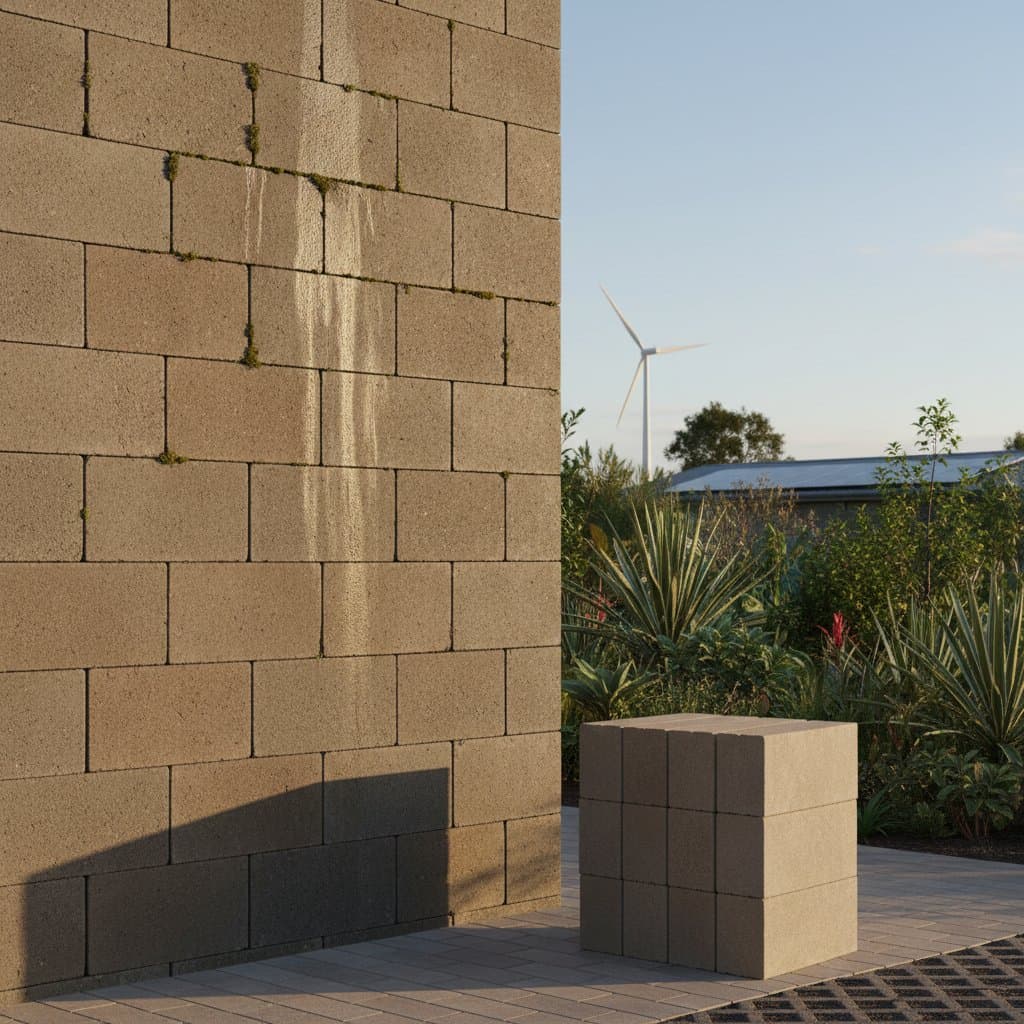
Geopolymer bricks replace cement with industrial byproducts to deliver rapid curing, high compressive strength, and up to 80 percent lower carbon emissions. The material offers improved fire resistance, insulation, and chemical durability compared with traditional masonry. This guide covers composition, performance data, costs, and practical installation steps for builders evaluating cement-free options.

3 min read
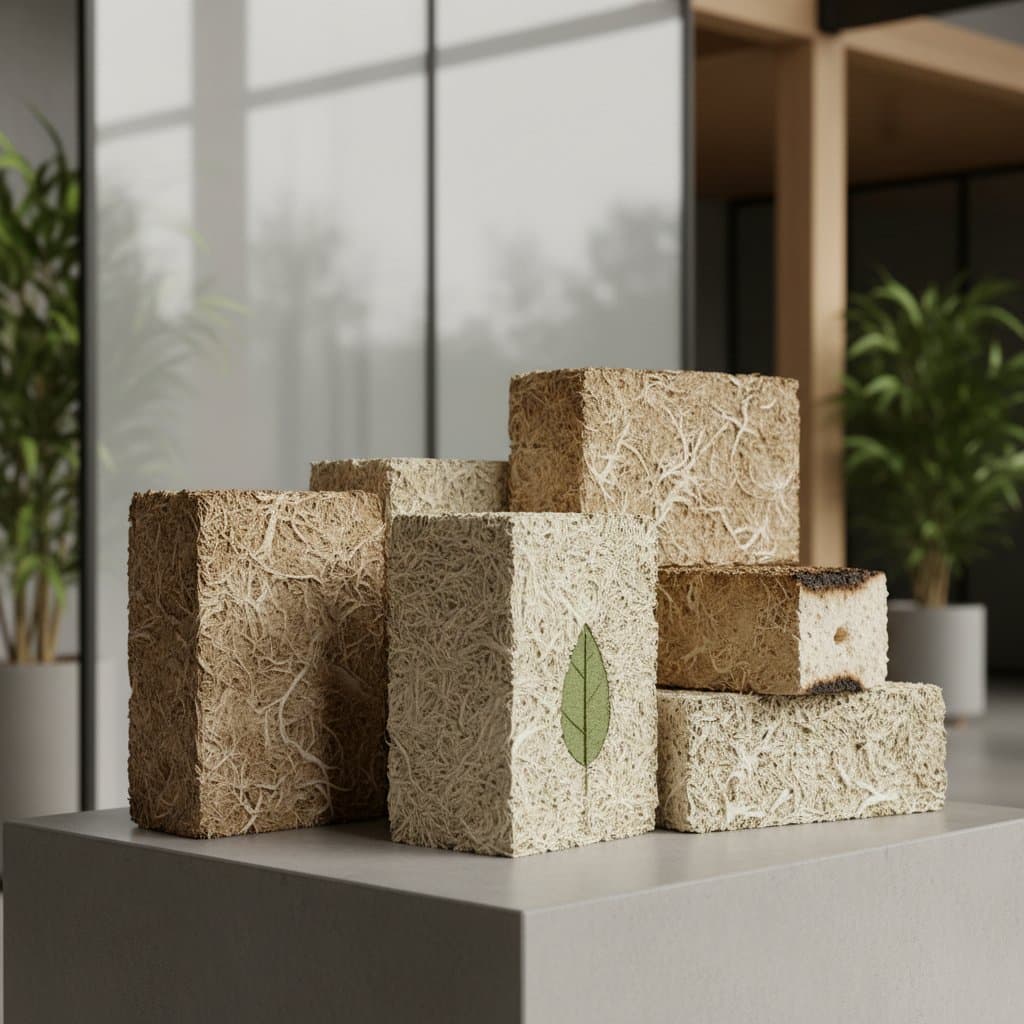
Featured image for Mycelium Bricks: Fungus-Grown Masonry Cuts Carbon

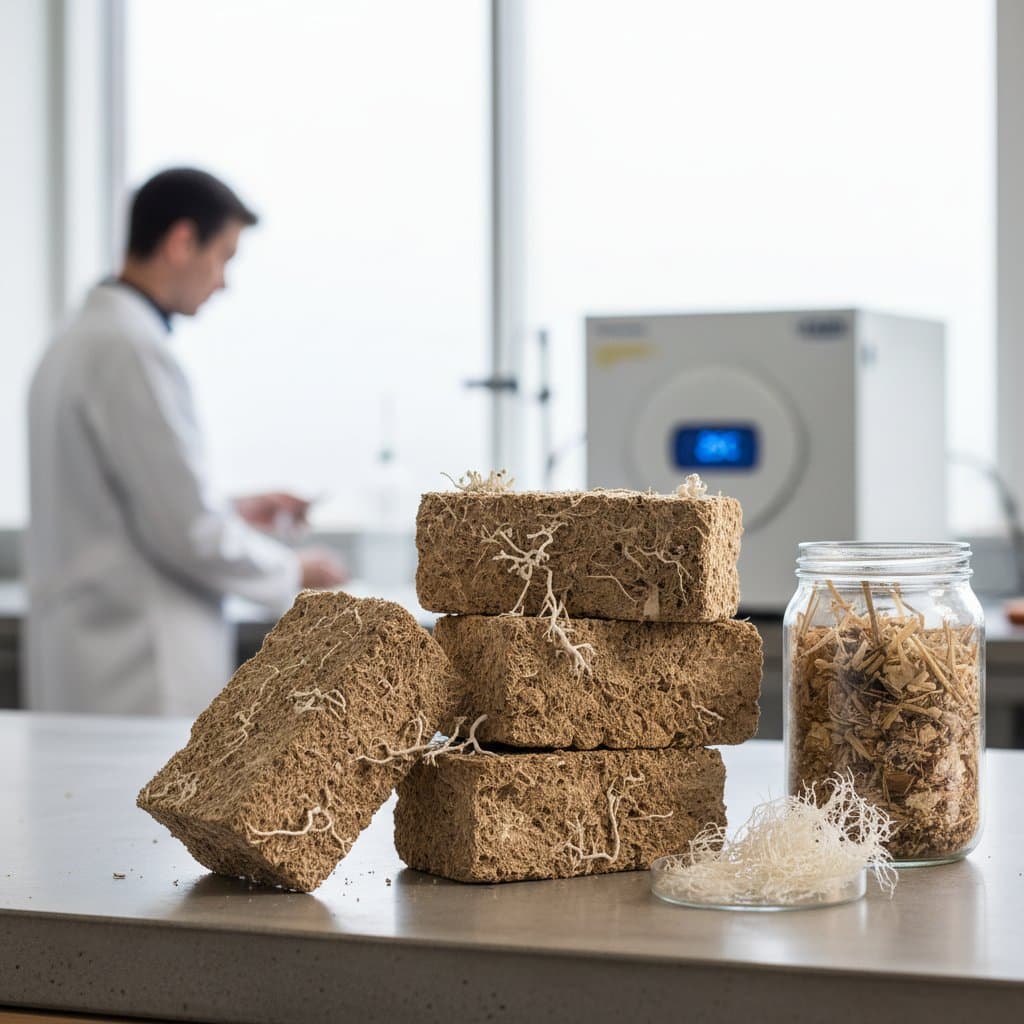
Mycelium Bricks: Fungus-Grown Masonry Cuts Carbon

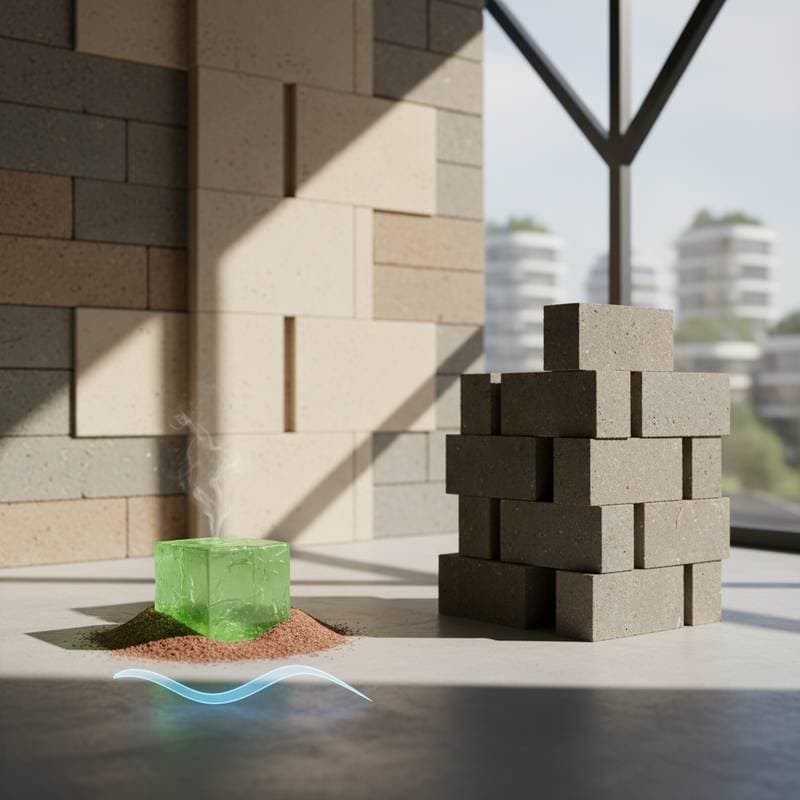
Grown from mushroom roots, mycelium bricks offer a compostable, low-carbon alternative to fired clay. Lightweight, insulating, and fire-resistant, they promise greener construction with lower emissions. While moisture protection and code adoption remain challenges, these bio-based materials showcase how fungi could reshape sustainable building from waste to wall.

5 min read
Featured image for Geopolymer Bricks Cut Carbon by Half Without Losing Strength

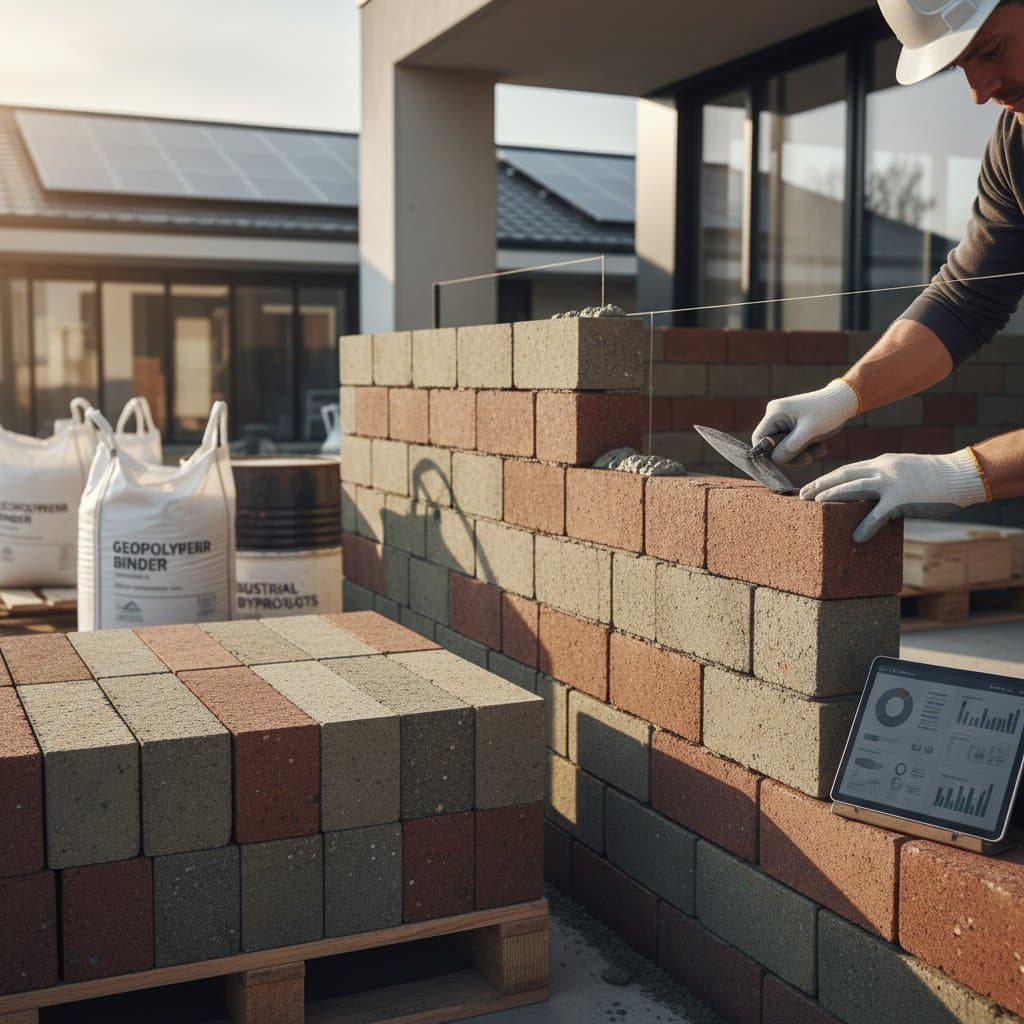
Geopolymer Bricks Cut Carbon by Half Without Losing Strength

Geopolymer bricks provide a cement-free, low-carbon option for masonry, utilizing industrial byproducts to achieve remarkable strength, longevity, and fire resistance. Although initial costs and availability may differ by region, their environmental advantages, extended service life, and reliable performance position them as an ideal selection for builders committed to sustainable, resilient construction that minimizes ecological harm.

6 min read
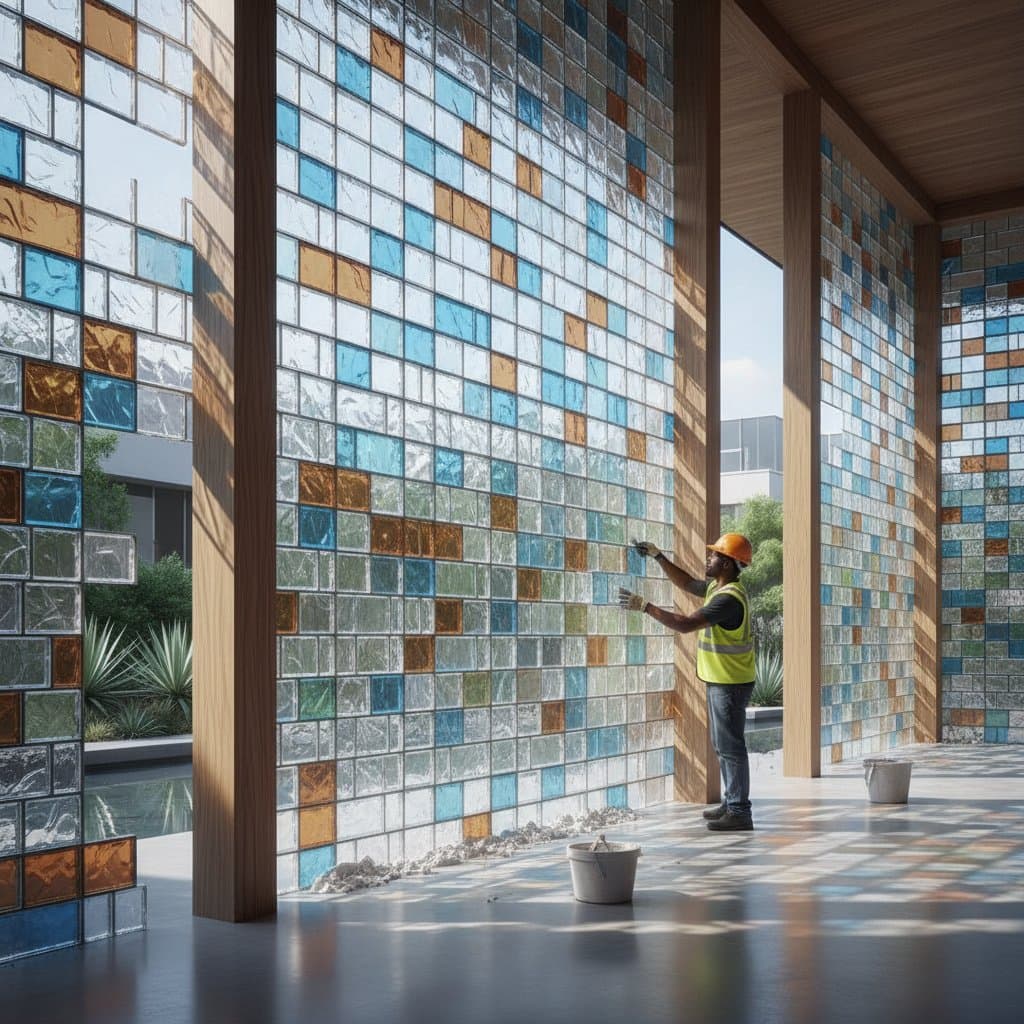
Featured image for Why Recycled Glass Bricks Rule 2026 Masonry

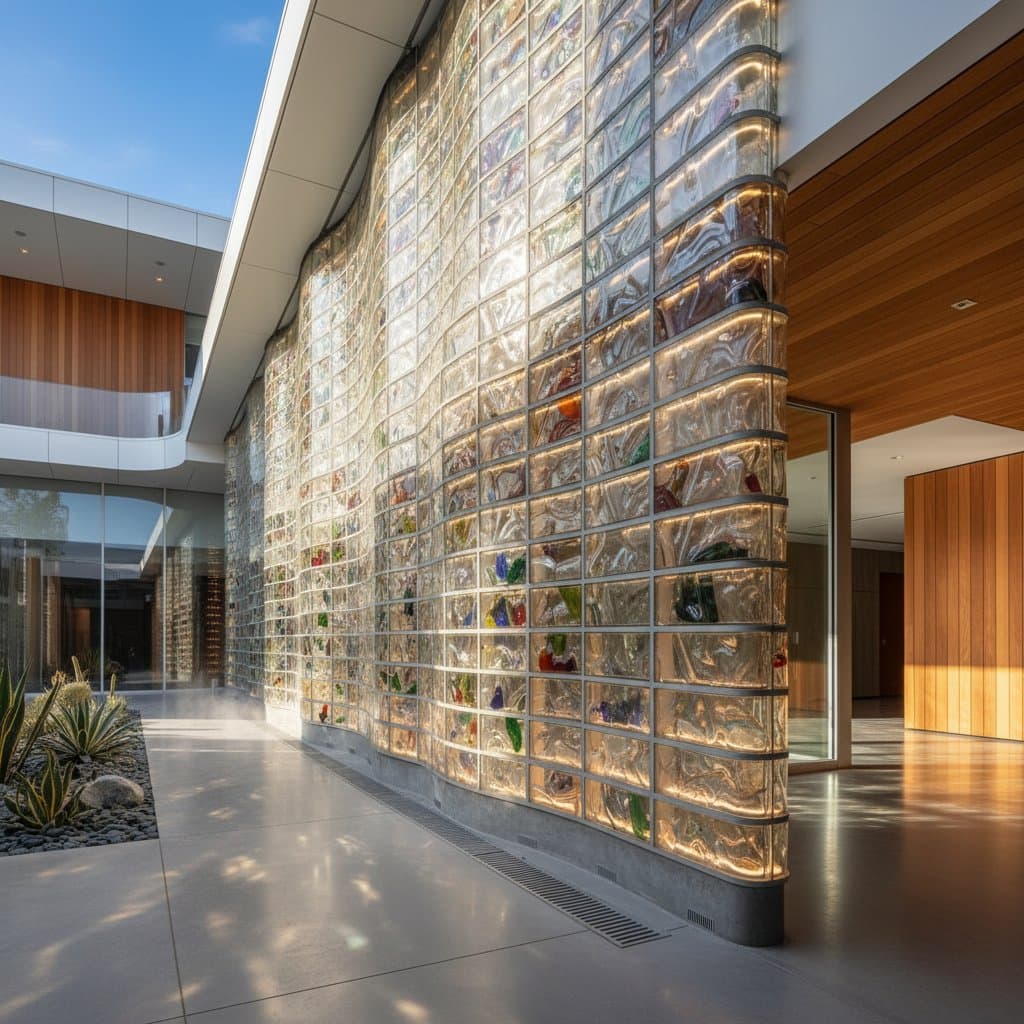
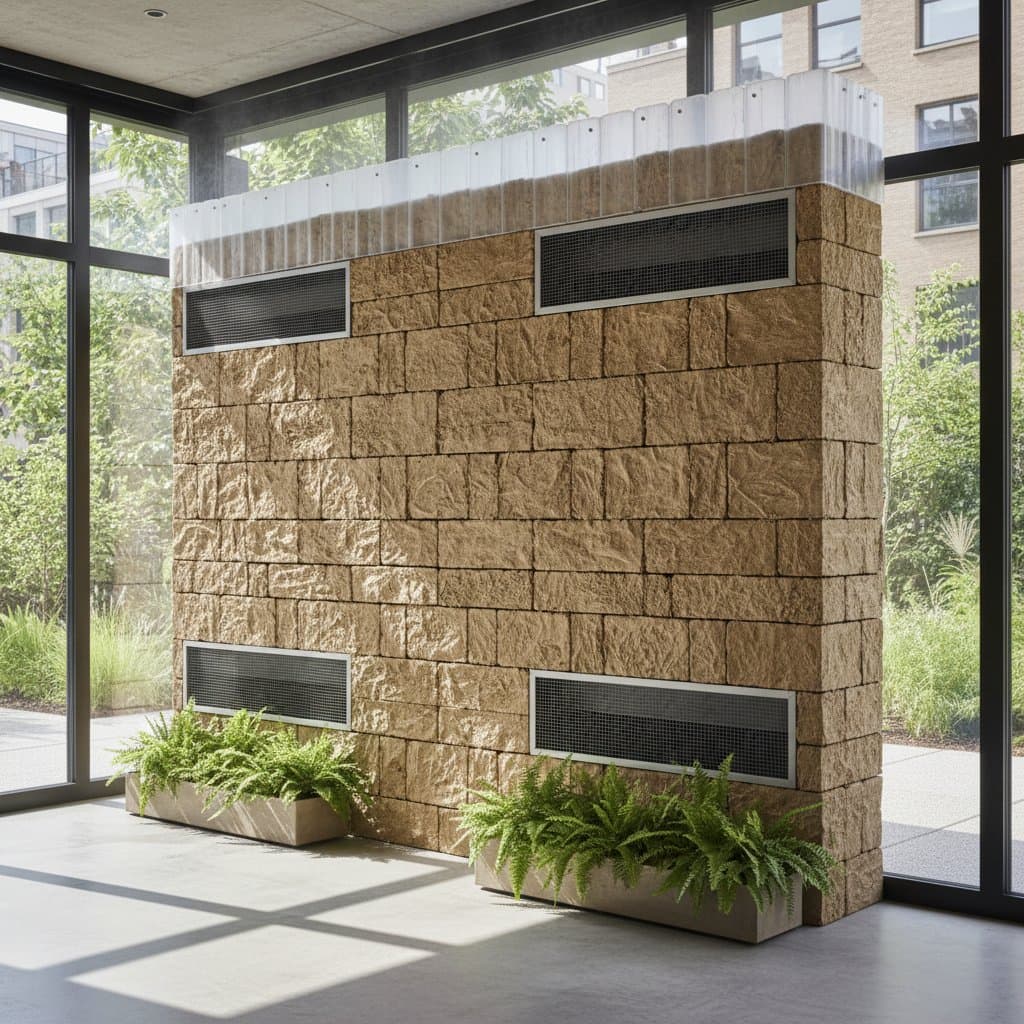
Why Recycled Glass Bricks Rule 2026 Masonry

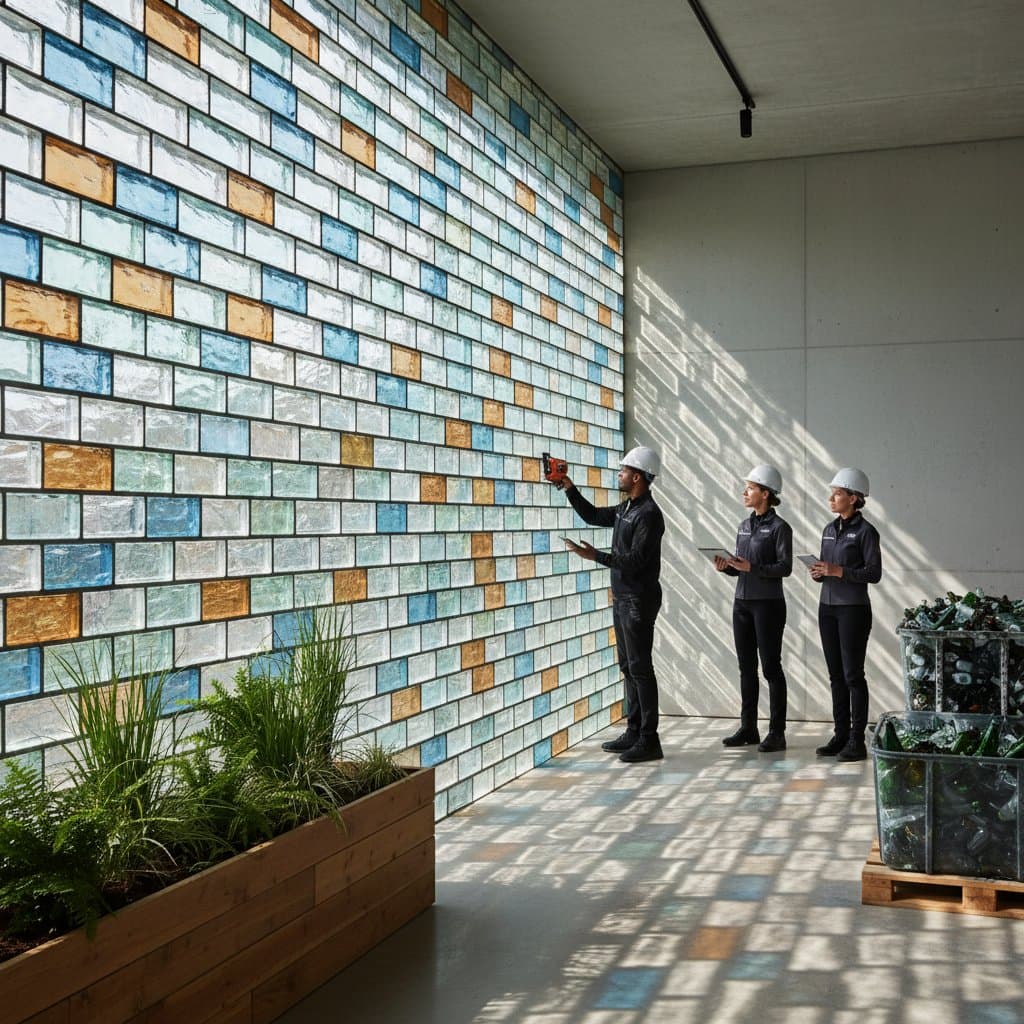
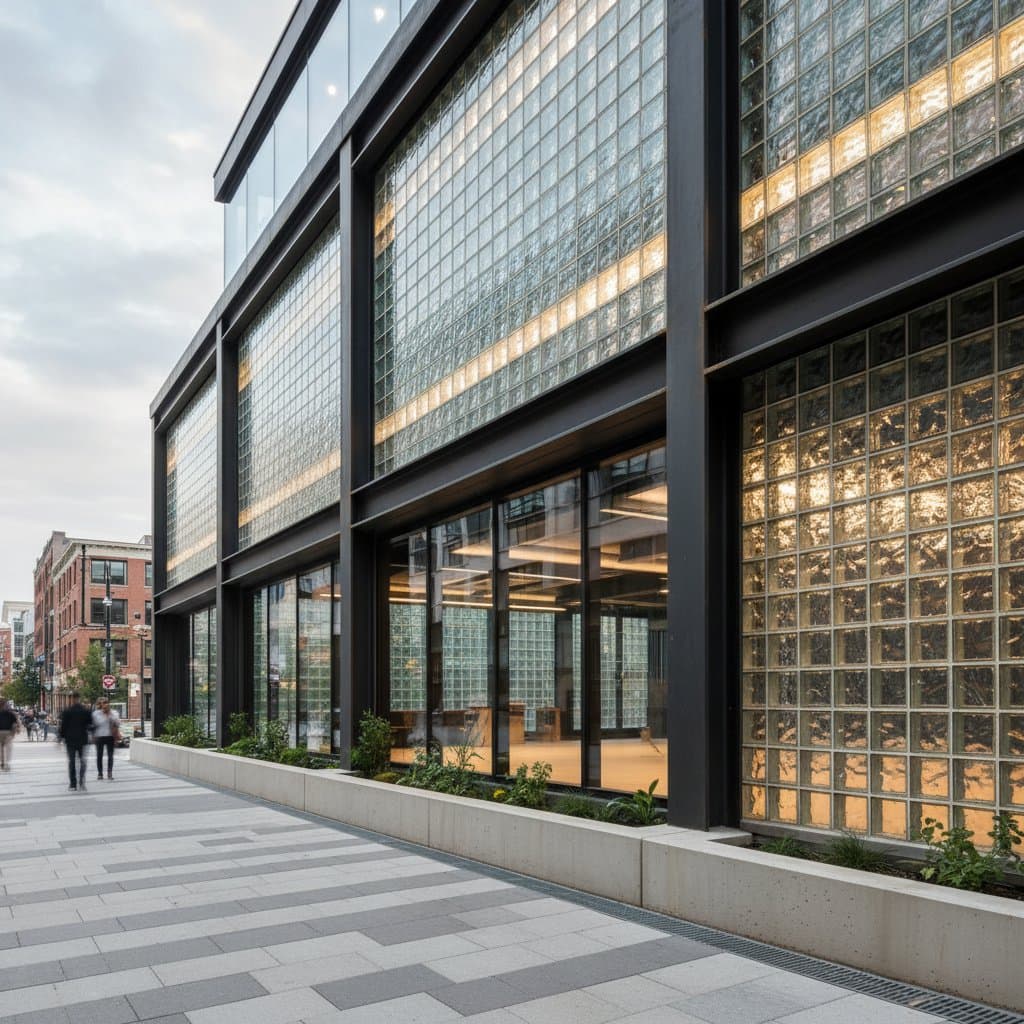
Recycled glass bricks reshape 2026 masonry through sustainable durability, light-enhancing aesthetics, and waste reduction. They provide balanced insulation and strength, contingent on accurate placement, moisture management, and adaptable mortars. Properly executed, these radiant blocks create enduring, energy-efficient walls that elevate architecture.

6 min read
Featured image for Mycelium Bricks Cost $2-5 and Weigh Half of Clay

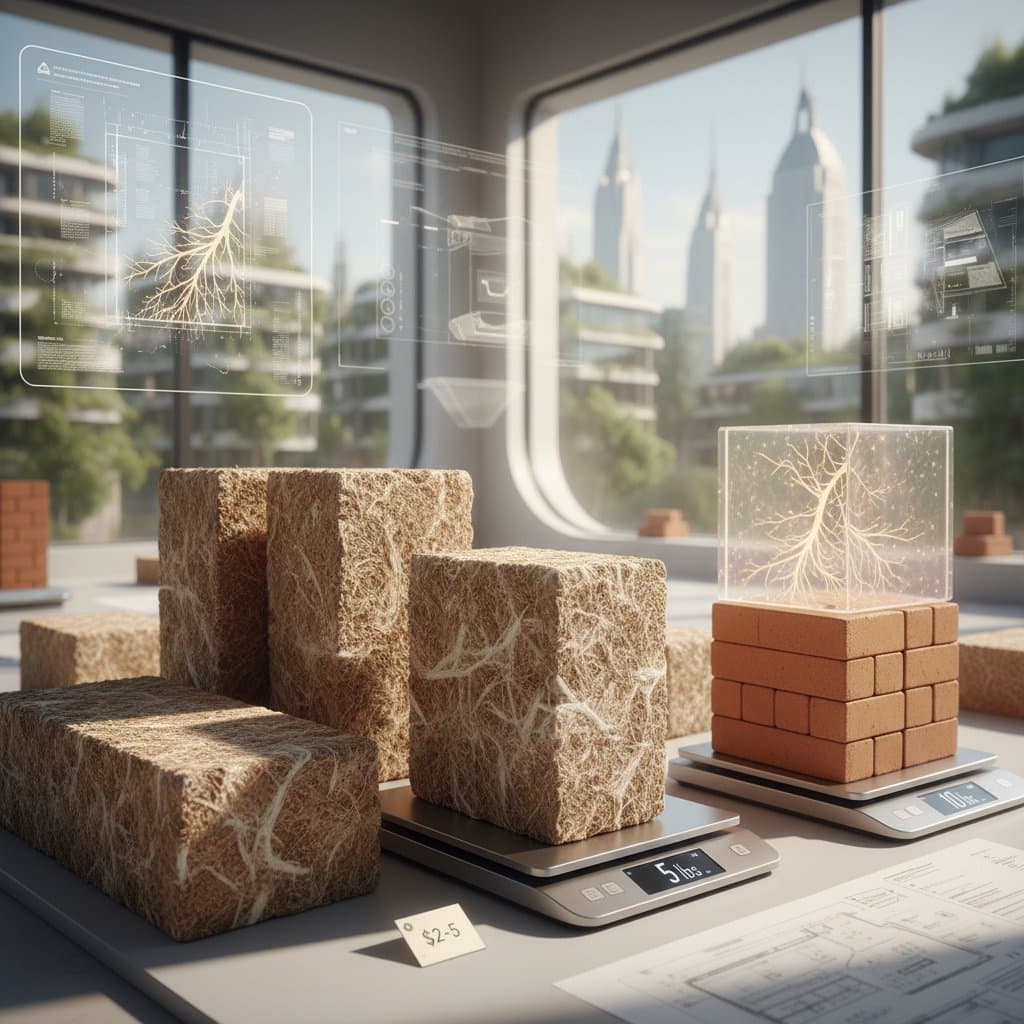
Mycelium Bricks Cost $2-5 and Weigh Half of Clay

Mycelium bricks revolutionize sustainable building by combining fungi and waste into lightweight, strong, biodegradable blocks. Costing $2 to $5 apiece and half the weight of clay, they produce zero emissions at room temperature and promise to supplant traditional bricks by 2026 for eco-conscious architecture.

5 min read
Featured image for Geopolymer Concrete Outlasts Steel by Decades

Geopolymer Concrete Outlasts Steel by Decades

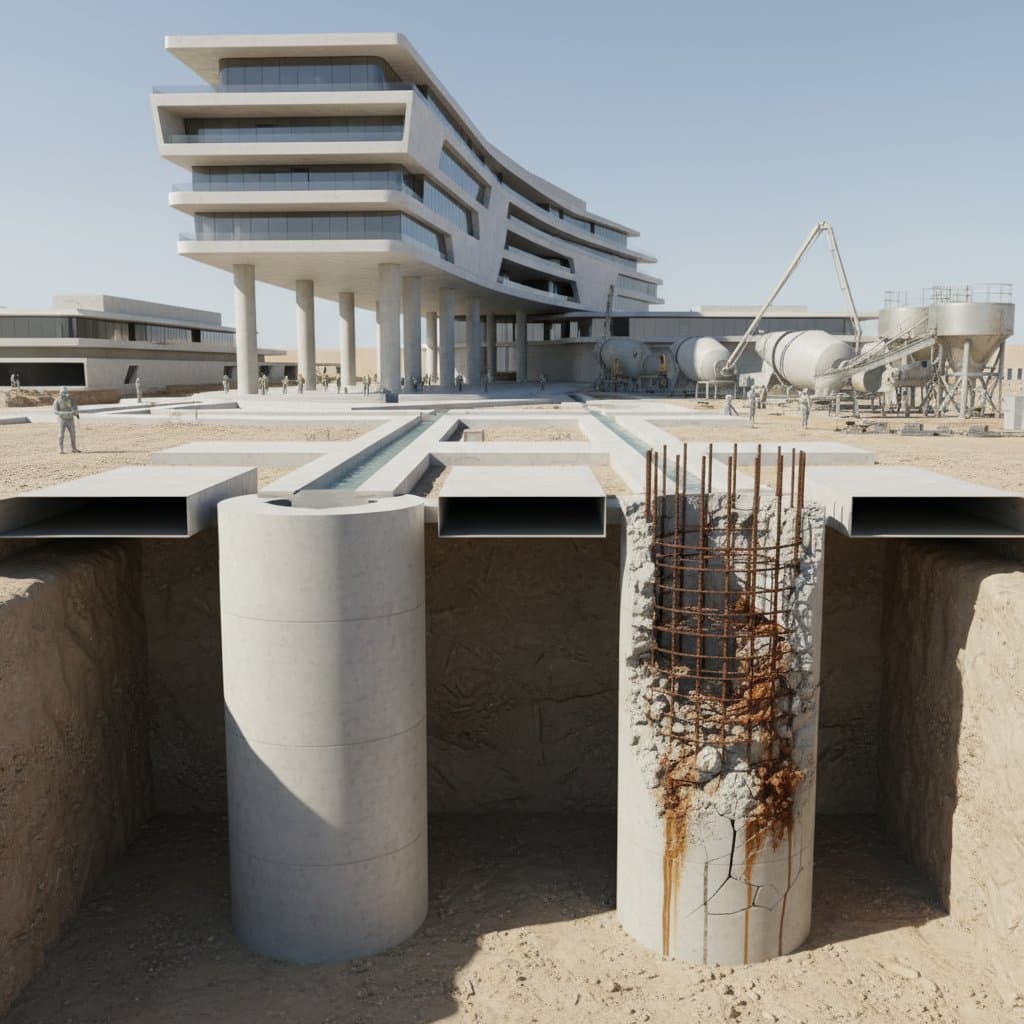
Geopolymer foundations endure decades beyond steel-reinforced concrete, defying corrosion, salts, and chemicals. Despite higher initial costs, they offer significant lifecycle economies and low upkeep. Essential practices include water management, precise curing, and skilled application. As durable as natural stone, geopolymer redefines reliable, maintenance-free construction.

6 min read
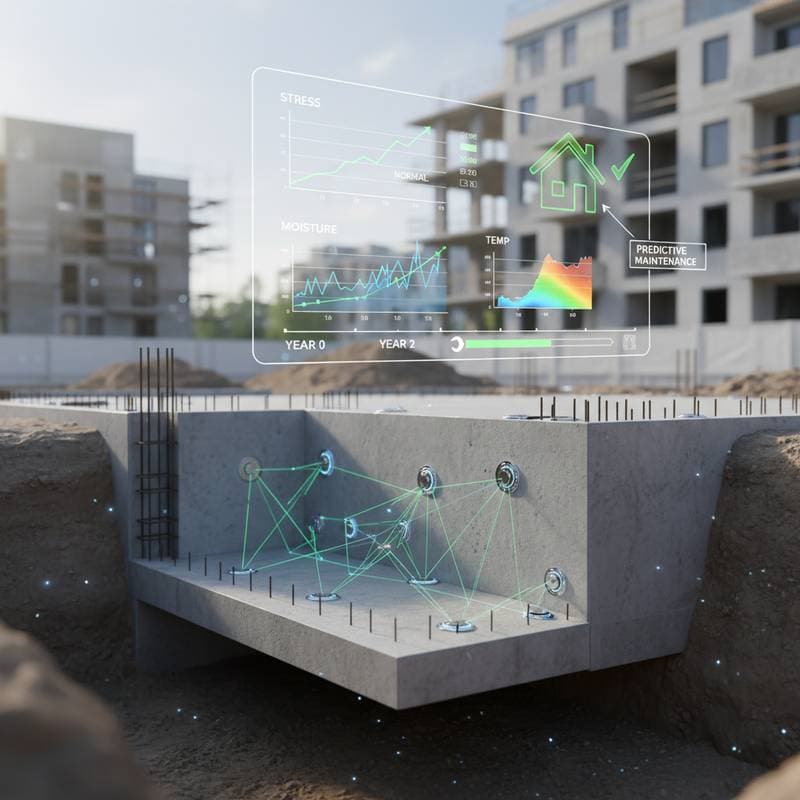
Featured image for Real-Time Sensors That Predict Concrete Failure

Real-Time Sensors That Predict Concrete Failure

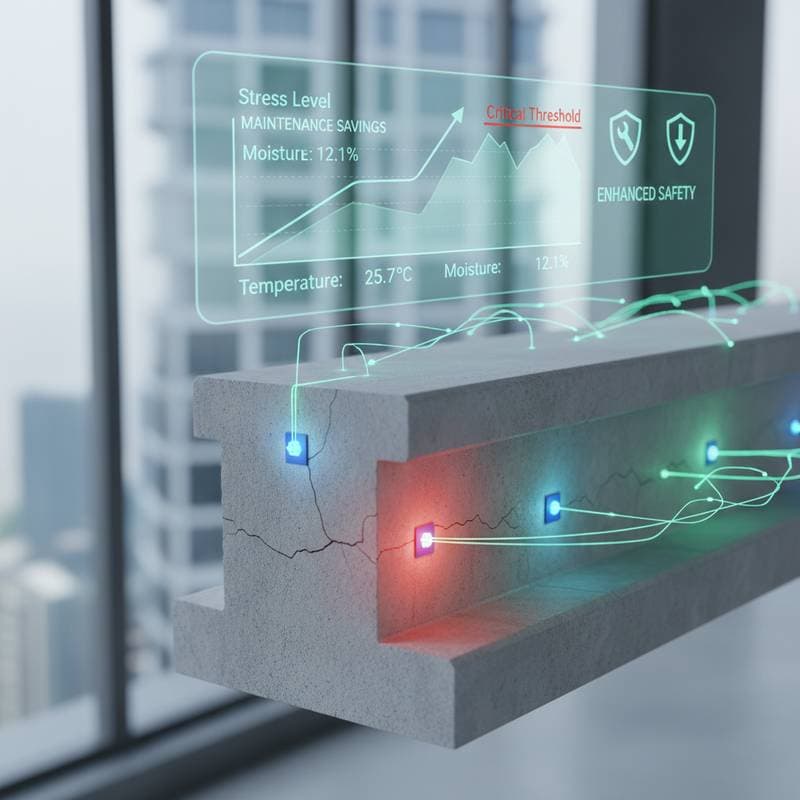
IoT smart concrete integrates sensing technology into traditional materials, creating intelligent structures that track stress, temperature, and moisture continuously. Embedded sensors deliver real-time data to detect potential damage early, allowing engineers to extend structure lifespans, lower maintenance expenses, and improve overall safety. This innovation drives a shift toward data-informed practices in construction, promoting sustainability and reliability.

6 min read
Featured image for Smart Pavers That Adapt to Weather in Real Time

Smart Pavers That Adapt to Weather in Real Time

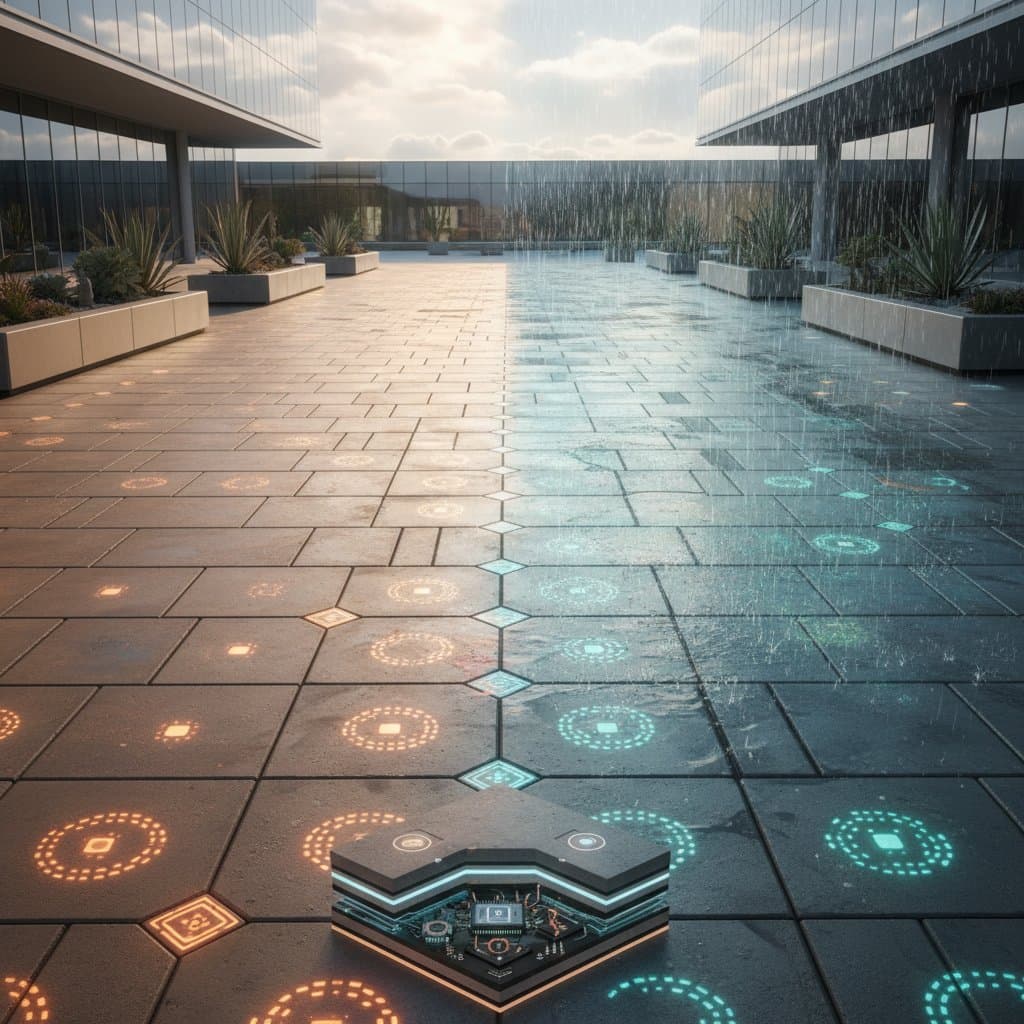
Smart pavers powered by AI bring intelligence to outdoor surfaces, sensing weather shifts and adjusting to manage heat, moisture, and stress instantly. These innovative systems employ embedded sensors and responsive materials to deliver exceptional longevity and efficiency. Despite higher initial costs, they provide substantial savings through reduced upkeep and superior climate adaptation, ideal for eco-conscious landscapes.

4 min read
Featured image for Recycled Glass Masonry: Quality Checks That Matter

Recycled Glass Masonry: Quality Checks That Matter

Recycled glass masonry revolutionizes sustainable building by converting waste into robust, light-diffusing structures. This guide covers vital quality inspections, repair techniques, team collaboration, and economical uses. Effective planning and moisture management yield enduring, eco-conscious surfaces that blend innovation with architectural elegance.

6 min read
Featured image for Geopolymer Blocks: 300% Stronger Than Clay Brick

Geopolymer Blocks: 300% Stronger Than Clay Brick

Geopolymer blocks achieve three times the compressive strength of traditional clay bricks by utilizing industrial by-products such as fly ash or slag as binders. These blocks reduce carbon emissions significantly and, despite a higher initial price, offer savings in labor and maintenance. Key to their success are appropriate curing processes, compatible mortar selections, and expert installation, resulting in robust and sustainable masonry solutions for contemporary construction.

6 min read
Featured image for Mycelium Bricks Grow at Room Temperature Using Farm Waste

Mycelium Bricks Grow at Room Temperature Using Farm Waste

Mycelium bricks, cultivated from fungal networks and agricultural waste, provide a lightweight, compostable option for sustainable construction. Superior for insulation and non-structural uses, they bypass energy-heavy firing processes. This guide covers benefits, planning, materials, and a detailed DIY method to produce your own growing building blocks.

7 min read
Featured image for Geopolymer Bricks Cut Cement and Carbon from Masonry

Geopolymer Bricks Cut Cement and Carbon from Masonry

Geopolymer bricks utilize industrial byproducts to replace cement, thereby reducing carbon emissions while delivering strength comparable to traditional bricks. Effective implementation depends on proper curing, moisture management, and supplier reliability. Field testing, precise installation sequencing, and suitable mortars help avoid failures. When handled with attention to their distinct properties, these bricks enable resilient, eco-friendly masonry.

4 min read
Featured image for Mycelium Bricks Need Moisture Control to Work

Mycelium Bricks Need Moisture Control to Work

Mycelium bricks provide a lightweight, compostable substitute for conventional clay bricks, utilizing agricultural waste to create energy-efficient building materials. Their effectiveness hinges on precise moisture management, appropriate curing processes, and permeable surface treatments. Best suited for indoor or protected applications, these biological blocks deliver rewards through thoughtful design and upkeep, bridging the gap between sustainable ideals and real-world construction.

6 min read
Featured image for Recycled Glass Bricks: Light and Load Combined

Recycled Glass Bricks: Light and Load Combined

Recycled glass bricks transform conventional masonry into vibrant, eco-conscious structures that channel light while supporting loads. These materials deliver durability, natural illumination, and extended lifespan, yet require meticulous installation, effective moisture management, and compatible components. Through strategic waterproofing, joint precision, and forward-thinking design, they harmonize aesthetics and functionality, yielding efficient, resilient walls that shine for decades in contemporary buildings.

7 min read
Featured image for Geopolymer Blocks Resist Decades of Weather Damage

Geopolymer Blocks Resist Decades of Weather Damage

Geopolymer masonry blocks offer robust strength, eco-friendly production, and exceptional longevity that exceed conventional bricks. Formed from aluminosilicates like fly ash or metakaolin and cured without high heat, these blocks defy moisture, freeze-thaw cycles, and chemical erosion. This guide details planning, installation, and upkeep for resilient, green building projects.

8 min read
Featured image for Low-Carbon Bricks That Match Concrete Strength

Low-Carbon Bricks That Match Concrete Strength

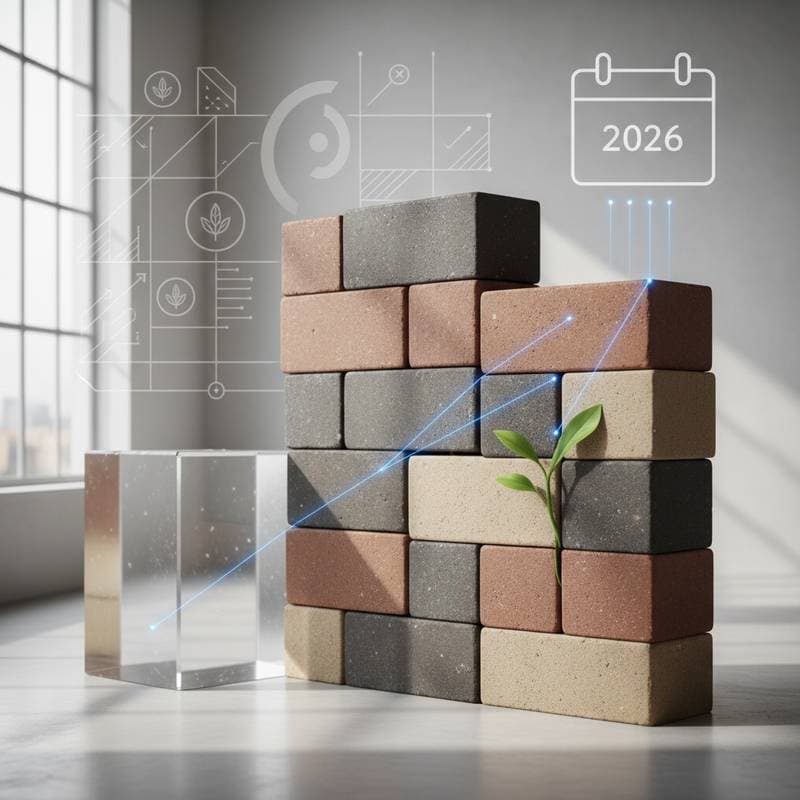
Geopolymer bricks utilize industrial byproducts to replace Portland cement, delivering exceptional strength, longevity, and a reduced carbon footprint. While challenges include limited availability and regulatory hurdles, their competitive pricing, extended service life, and environmental benefits position them as a viable option for sustainable masonry. Examine the reasons why 2026 could herald a shift toward cement-free building practices.

5 min read